
What Is Sciatica?
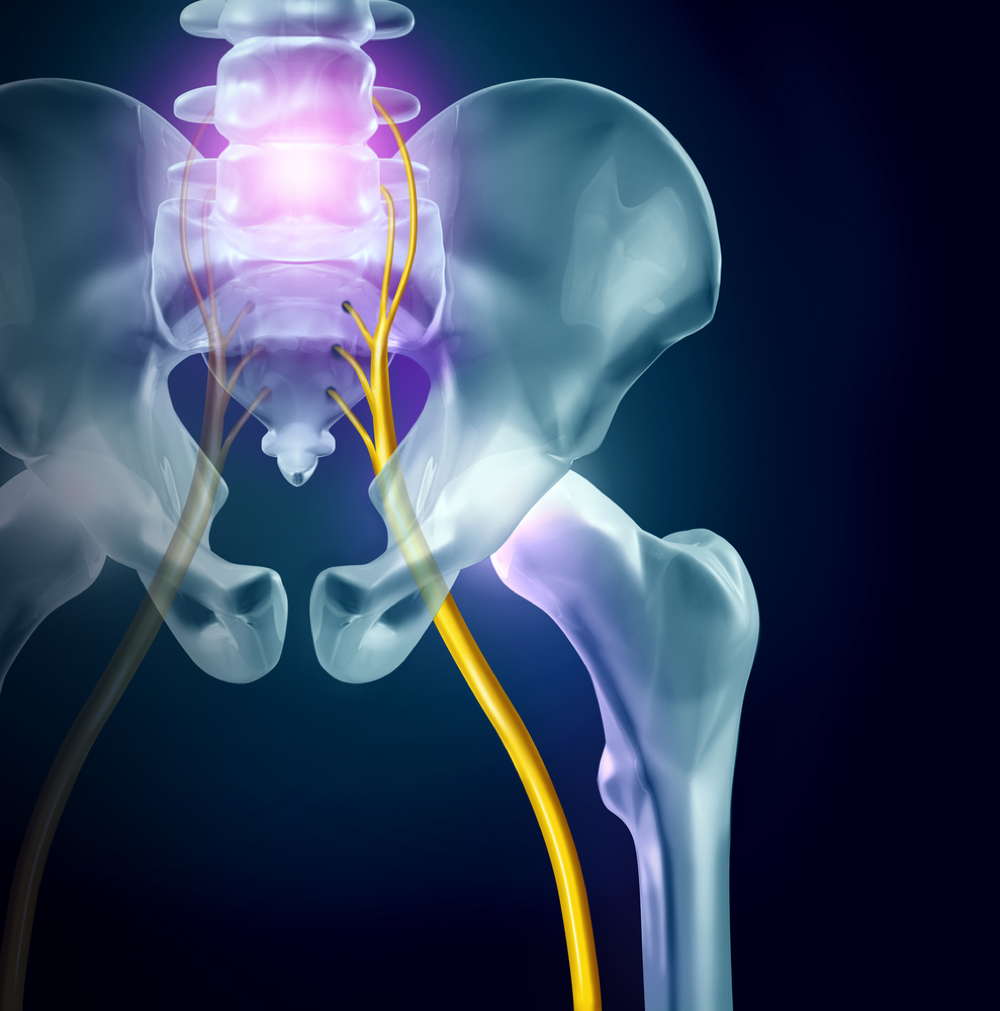
Sciatica is a term used to describe pain that travels along the path of the sciatic nerve, usually from the lower back or buttock down into the leg. It is often caused by irritation or compression of one of the nerve roots in the lower spine.
Sciatica can feel different from person to person. Some people experience sharp or burning pain, while others notice tingling, numbness, or muscle weakness in the leg. In some cases, leg pain may be more noticeable than back pain.
The sciatic nerve is not formed from just one level in the spine. It is made up of several nerve roots that join together in the lower back and pelvis before travelling down the leg. This is one reason why sciatica symptoms can vary from person to person depending on which nerve root is irritated.
Understanding the cause of sciatica is important, because not all pain in the leg is true sciatica. Accurate assessment helps guide the most appropriate treatment. If you are looking for sciatica assessment and treatment in Narre Warren, visit our Sciatica page.
Common Symptoms of Sciatica
Sciatica can cause a range of symptoms, depending on which nerve root is irritated and how severe the irritation is. Common symptoms may include:
- pain in the buttock, thigh, calf, or foot
- sharp, shooting, or burning pain down the leg
- tingling or pins and needles
- numbness in part of the leg or foot
- muscle weakness
- pain that is worse with sitting, bending, coughing, or sneezing
For some people, the pain is mild and intermittent. For others, it can be intense and make walking, sitting, driving, or getting comfortable in bed more difficult.
What Causes Sciatica?
Sciatica is most commonly caused by irritation or compression of a nerve root in the lower back. This may happen for a number of reasons, including:
- a disc bulge or disc herniation
- inflammation around a lumbar nerve root
- narrowing of the spinal canal or exit for the nerve
- degenerative changes in the lower back
- less commonly, irritation from structures around the buttock such as the piriformis muscle
Not all leg pain is sciatica. Pain can also be referred into the leg from the lower back, sacroiliac joint, hip, or surrounding muscles. That is why careful assessment is important.
Why Accurate Diagnosis Matters
Pain travelling into the leg does not always mean the sciatic nerve is being compressed. In some cases, symptoms may be caused by referred pain rather than true nerve irritation. Although these conditions can feel similar, they may require a different management approach.
A thorough history and examination can help determine whether the pain is likely to be coming from a lumbar disc, irritated nerve root, facet joint, sacroiliac joint, or another structure. If symptoms suggest a more significant nerve problem, further investigation or referral may be recommended.
Conservative Treatment for Sciatica
Treatment for sciatica depends on the cause, severity, and duration of symptoms. In many cases, conservative care can help reduce pain, improve movement, and support recovery.
Management may include:
- gentle manual therapy where appropriate
- flexion-distraction therapy
- advice on activity modification
- specific exercises and stretches
- postural and movement advice
- referral for imaging or specialist review when clinically indicated
The aim is not just to reduce pain, but to identify the likely source of the problem and guide the most appropriate care.
When Should You Seek Further Assessment?
You should seek prompt medical assessment if sciatica is associated with:
- significant or worsening muscle weakness
- increasing numbness
- loss of bladder or bowel control
- numbness around the saddle area
- severe unrelenting pain
- symptoms that are not improving as expected
These features may indicate a more serious problem and should not be ignored.
Can Chiropractic Care Help Sciatica?
Chiropractic care may help some people with sciatica, particularly when symptoms are related to mechanical irritation in the lower back. Care should be based on an accurate assessment and tailored to the individual.
At Farrelly Chiropractic, we assess whether your leg pain is likely to be related to nerve irritation, referred pain, or another musculoskeletal cause. Where appropriate, conservative treatment may be used to help improve movement and reduce irritation. If imaging, GP review, or specialist referral is needed, this can also be discussed.
Frequently Asked Questions About Sciatica
Does sciatica always mean a disc bulge?
No. A disc bulge or disc herniation is a common cause, but sciatica can also be related to inflammation, narrowing around the nerve, or other causes of nerve irritation.
Can you have sciatica without much back pain?
Yes. In some cases, leg pain is more noticeable than back pain.
Is all leg pain sciatica?
No. Leg pain can also be referred from the lower back, sacroiliac joint, hip, or surrounding muscles. That is why accurate assessment is important.
When should I have an MRI for sciatica?
An MRI is not needed for every case. It may be considered if symptoms are severe, not improving, or if there are signs of a more significant nerve problem.
Can chiropractic care help sciatica?
Chiropractic care may help some people, depending on the cause of the symptoms and the findings on examination.
Need Help with Sciatica Pain in the Leg?
If you are experiencing pain, tingling, numbness, or weakness down the leg, an accurate diagnosis is the first step. Farrelly Chiropractic in Narre Warren provides careful assessment and conservative care for people with lower back and leg pain.
We also see patients from Berwick and the surrounding suburbs seeking help for sciatica and related leg pain.
Book online or phone the clinic on (03) 9704 6567 to arrange an appointment.