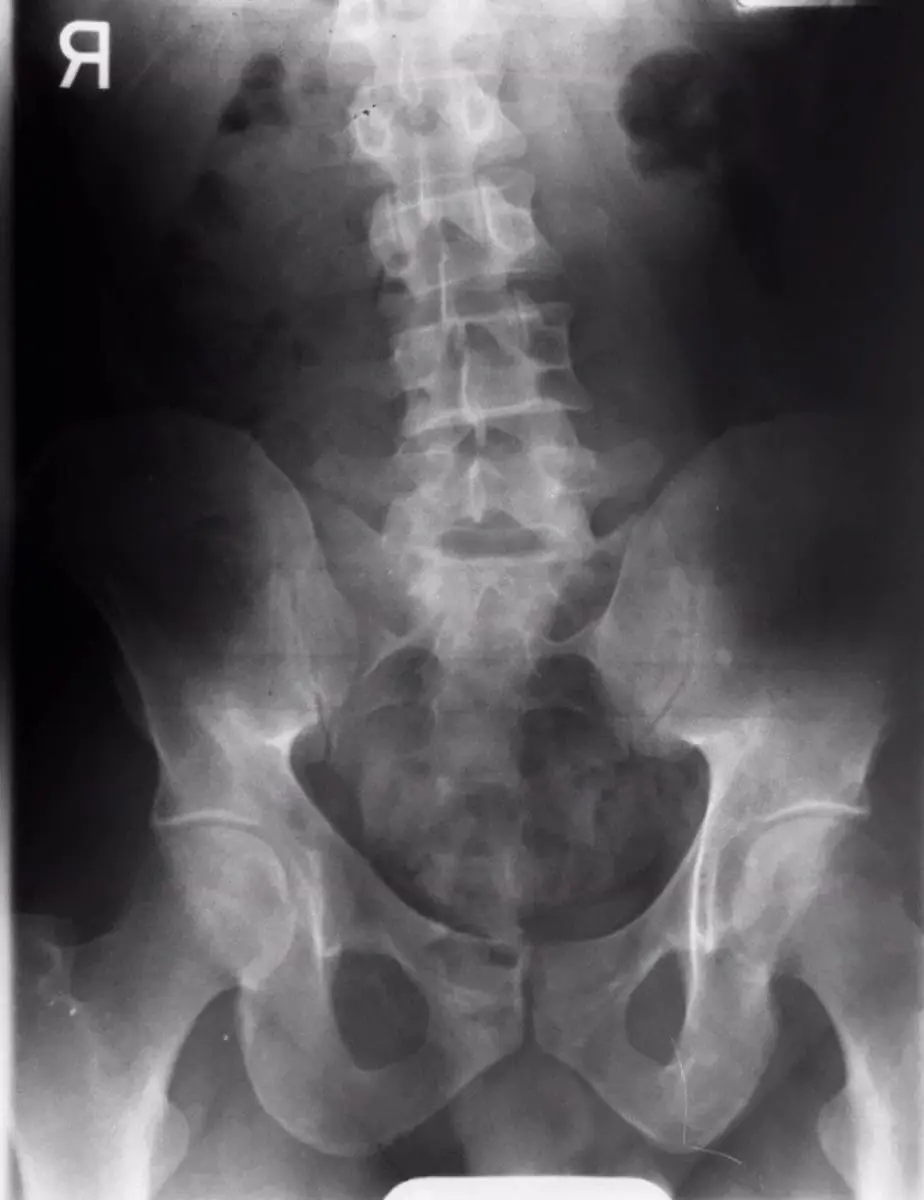
Chiropractic care has evolved significantly over the years. One major shift is the move away from routinely using X-rays in chiropractic, a practice once considered standard. Today, modern research advocates for a more selective, evidence-based approach to imaging, focusing on patient safety, accurate diagnosis, and better outcomes.
Why Routine X-Rays Are No Longer Standard
In the past, patients often received an X-ray before beginning chiropractic treatment. However, current scientific evidence discourages routine imaging, highlighting the potential harms of unnecessary scans. A pivotal editorial in the British Journal of Sports Medicine (2017), titled "It is time to stop causing harm with inappropriate imaging for low back pain," warned that routine imaging can actually worsen patient outcomes.

How Unnecessary Imaging Can Cause Harm
Imaging can be beneficial — but only when medically necessary. Here are three ways routine imaging can be counterproductive:

1. Misinterpretation by Clinicians
Over-reliance on imaging may lead to incorrect assumptions, unnecessary referrals, or even inappropriate interventions, such as injections or surgery.
2. Misinterpretation by Patients
When patients misunderstand imaging results (e.g., "degeneration" or "disc bulge"), it can create fear, anxiety, and avoidance of activity — all of which can delay recovery.
3. Radiation Exposure
X-rays involve a degree of radiation. While typically low, repeated or unnecessary exposure is something to avoid when not clinically justified.
What the Evidence Tells Us
A 2018 review titled "Current Evidence for Spinal X-ray Use in the Chiropractic Profession" concluded that in most chiropractic cases, the risks of imaging outweigh the benefits. It emphasises that diagnostic imaging should not be routine, but somewhat reserved for specific clinical situations.

Australian researcher Hazel Jenkins supported this in a 2021 study, noting that imaging did not improve clinical outcomes for patients with low back pain. Her findings reinforce that routine imaging in chiropractic care is not beneficial and may even hinder recovery.
Why "Out of Alignment" on an X-Ray Is Misleading
In chiropractic care, it's common to hear references to spinal vertebrae being "out of alignment." However, modern scientific evidence does not support this as a reliable or meaningful diagnosis, particularly when based solely on X-rays.

What the Science Says
- X-ray images show structure, not function. X-rays provide a static snapshot of the spine — they reveal bone shapes and positioning, but don't show how the spine moves or functions in real life. A vertebra that appears slightly off-centre may still function normally and cause no pain or limitation.
- Mild asymmetries are common and often meaningless. Numerous studies have shown that slight shifts in spinal positioning are present in individuals who are pain-free. These "misalignments" may be age-related or simply anatomical variations. Significantly, they do not predict pain, dysfunction, or risk of injury.
- Postural variation, not pathology. Factors such as how a person stands, their natural spinal curves, or how the X-ray was taken can influence what appears to be a misalignment. These variations are not necessarily signs of a problem requiring treatment.
- Overreliance on X-rays can lead to over-treatment. When practitioners focus too heavily on structural appearance, patients may be overdiagnosed with "alignment issues" that don't need fixing. This can lead to unnecessary worry, excessive care, or unhelpful treatment plans.
So, When Is Imaging Necessary?
At Farrelly Chiropractic, we follow an evidence-based approach to care. That means X-rays or advanced imaging (like MRI or CT scans) are only recommended when truly needed, such as:

- Suspected fractures (e.g., coccyx or hip)
- Worsening neurological symptoms (e.g., progressing muscle weakness)
- Signs of serious pathology
- Persistent or unresponsive symptoms not improving with conservative care
Importantly, MRI and CT scans are more suitable than X-rays for assessing soft tissues, such as intervertebral discs or changes in the spinal cord.
Our goal is to prioritise your health by using the right tools at the right time — and avoiding unnecessary procedures that may cause more harm than good.
Takeaway: Informed, Individualised Chiropractic Care
X-rays have their place in chiropractic care — but not for everyone. We believe in individualised treatment, informed by the latest scientific evidence and guided by clinical expertise.

At Farrelly Chiropractic, we emphasise evidence-based practice. Rather than relying solely on imaging, we assess how your body moves, functions, and responds to care. X-rays should only be used when clinically necessary, and always in the context of a broader clinical examination.
If you're in pain or unsure about what to do next, feel free to contact us. We're here to provide safe, modern, and effective chiropractic care that puts your well-being first.