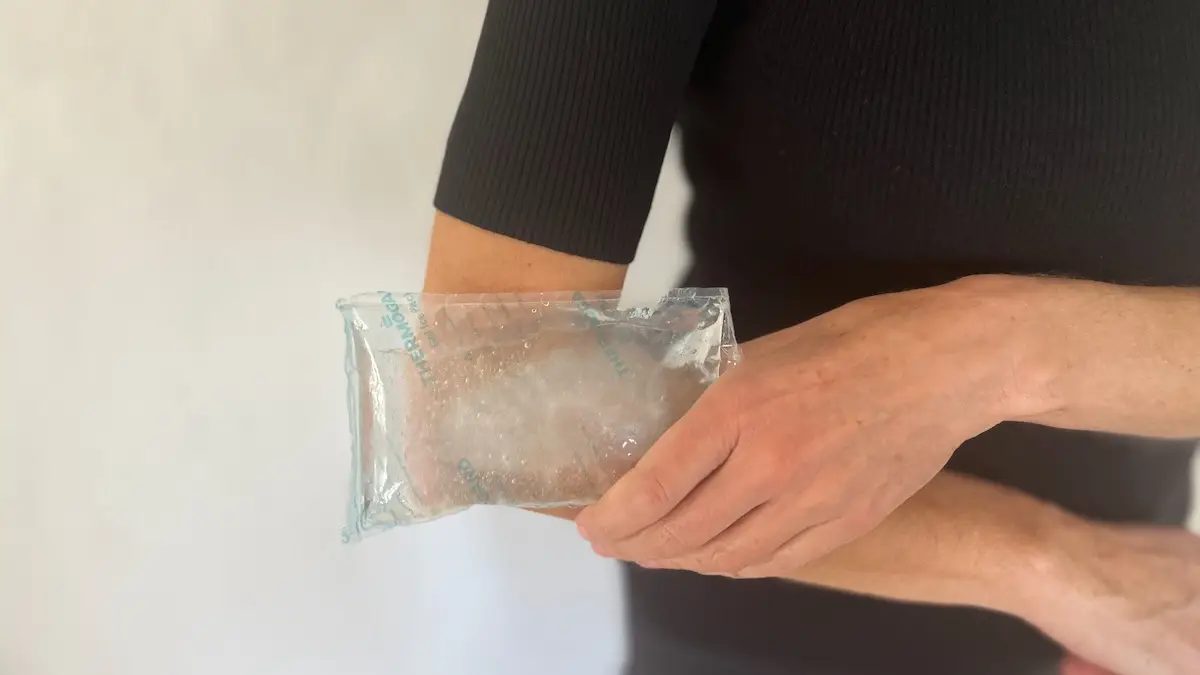
Ice or heat? This is a prevalent question in clinical practice. Not one size fits all, and in this blog, we will endeavour to explain the mode of action, effectiveness, and applications of ice or heat.
Understanding Inflammation: It's Not Always Your Enemy
Firstly, it's essential to know that inflammation is not necessarily harmful. It's a crucial part of your body's healing mechanism.
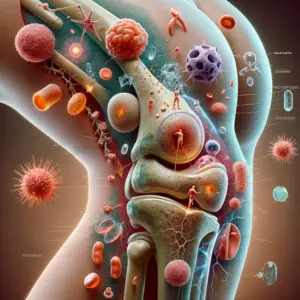
Inflammatory exudates, or fluid accumulated in inflamed tissues, are fundamental to the body's healing process. These fluids contain substances that kickstart the repair and rejuvenation of damaged tissues. Here's how they aid in healing a sprained joint:
- White Blood Cell Recruitment: These fluids transport white blood cells to the injury site. Cells like neutrophils and macrophages eliminate bacteria and cellular debris and release healing-promoting cytokines.
- Nutrient and Oxygen Delivery: The fluids transport oxygen and nutrients to the injured area, supporting the metabolic needs of healing cells.
- Stimulating Angiogenesis: The growth of new blood vessels is vital for healing. Specific fluid components, such as vascular endothelial growth factor (VEGF), trigger angiogenesis.
- Encouraging Fibroblast Activity: Substances in the fluid draw fibroblasts, the cells that produce collagen and other components for damaged tissue repair, to the injury site.
- Supporting Clot Formation: The fluid contains clotting factors, which assist in clot or scab formation. This provides temporary protection and a framework for cell migration during healing.
Cryotherapy: A Deep Dive Into Cold Facts
Cryotherapy, or ice therapy, uses cold to ease pain, inflammation, and swelling, primarily for acute injuries like sprains. While effective for superficial areas, it may not help deeper structures such as spinal discs, where heat therapy could be more suitable. Despite its popularity, evidence for cryotherapy's effectiveness is limited. The Cochrane Collaboration's 2015 review suggested it might reduce pain and swelling in acute ankle sprains, but the evidence quality was low to moderate. Dr Gabe Mirkin, who popularised the RICE protocol, noted in 2015 that ice might delay healing, though it numbs the pain. Careful use of cryotherapy, limited to 20-minute sessions with breaks, is crucial to avoid tissue damage and maximise benefits for pain relief and recovery.
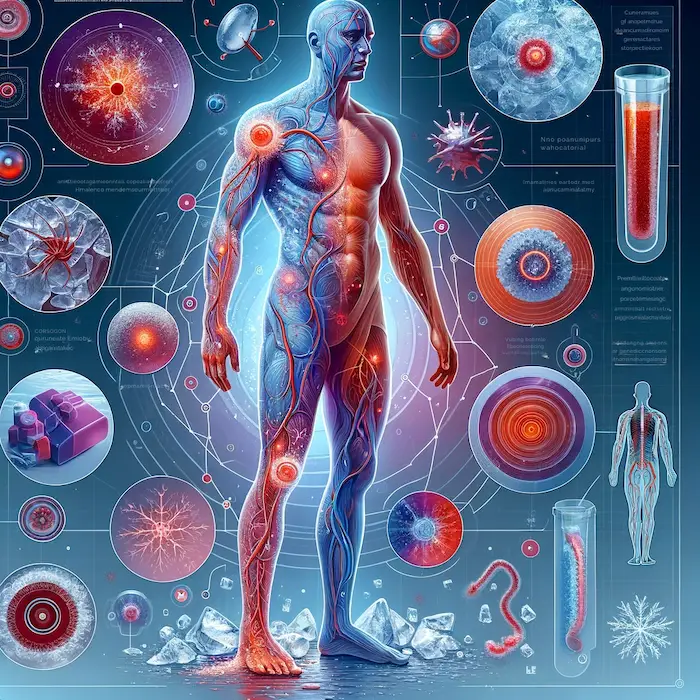
Heat Therapy: A Warm Approach to Chronic Conditions
Heat therapy enhances healing and pain relief by boosting blood flow and relaxing muscles; it is especially effective for chronic conditions like arthritis. It increases flexibility and reduces muscle tension. However, acute injuries are not advised due to the potential increase in inflammation.

Care is needed for rheumatoid arthritis flare-ups, as heat can worsen symptoms. While some studies suggest benefits for acute injuries, evidence is mixed, and professional advice is recommended for proper use.
Choosing Between Ice or Heat Therapy
Heat therapy can relieve stiffness and chronic pain for chronic conditions like osteoarthritis. However, avoid using heat on inflamed areas or during acute injury phases, as it can worsen symptoms. Choosing between ice and heat therapy depends on the injury type. Ice is effective for acute injuries, reducing pain and swelling, but it only penetrates about 1 cm deep, making it less effective for more profound injuries like back sprains.
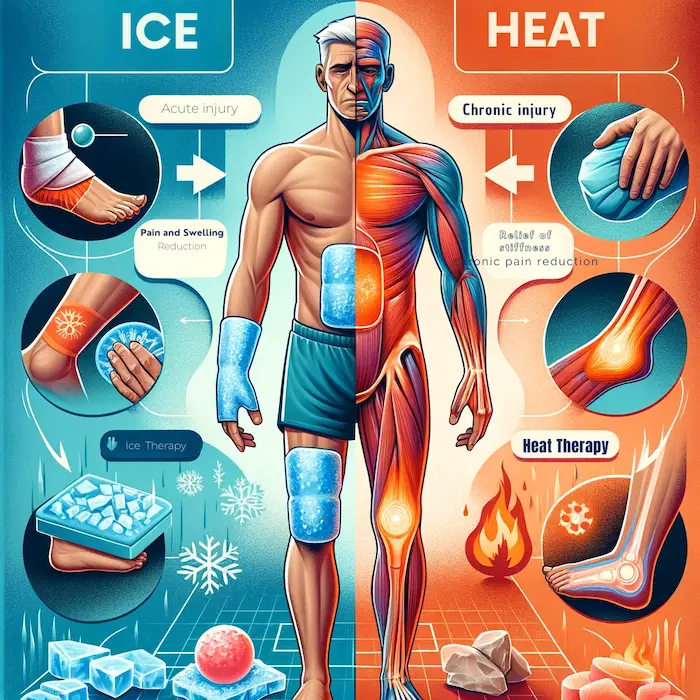
For recent ankle sprains, ice within the first 48 hours helps, followed by heat therapy to aid healing and ease muscle tension. In contrast, heat therapy benefits chronic conditions like osteoarthritis, relieving stiffness and pain. However, avoid heat on inflamed areas or during acute injury phases, as it can exacerbate symptoms.
Conclusion
Ice and heat therapy both relieve aches and pains, with their use varying by injury type and stage. Ice is best for acute injuries, reducing swelling and discomfort, while heat helps chronic conditions by easing muscle tension. Consult a healthcare professional for guidance.
Heat therapy is more effective for deep areas like the lower back, as ice might not reach such depths. It also has a soothing mental effect. Ice is preferred for recent injuries like ankle sprains, whereas heat is better for chronic pain like back pain.
The choice between heat and ice therapy depends on the injury's nature and individual response. Generally, ice is recommended for acute arm and leg injuries and heat for other areas. However, seeking tailored advice from a healthcare professional for the best treatment approach is essential.