At our clinic in Narre Warren, we commonly see patients with disc injuries. In this article, we'll clarify some common misunderstandings, starting with the idea of a "slipped disc".
Myth 1: Slipped discs
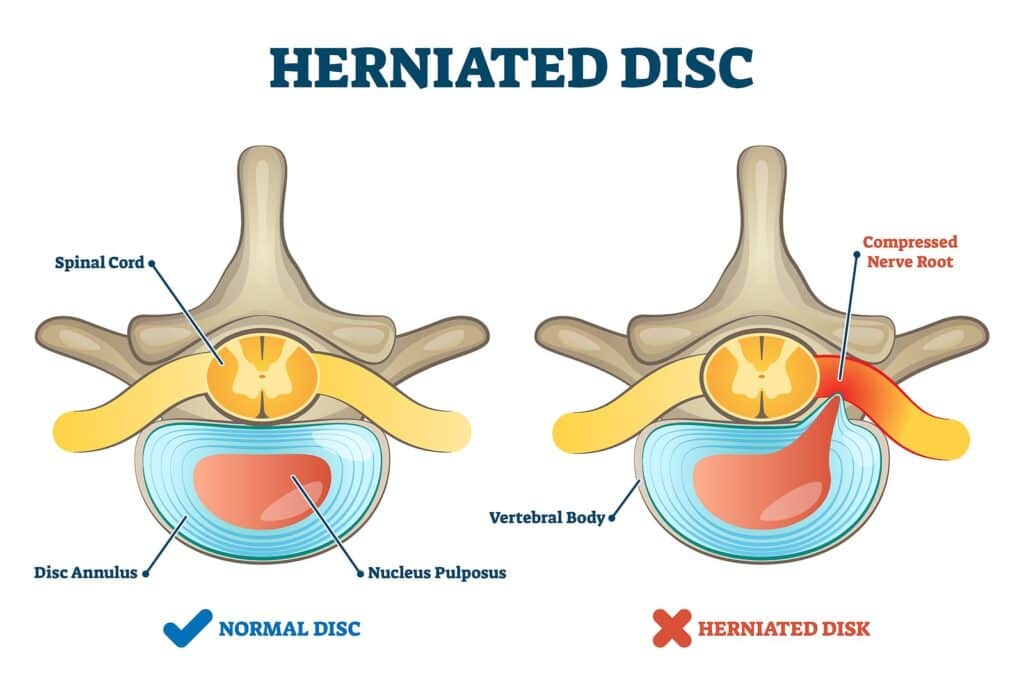
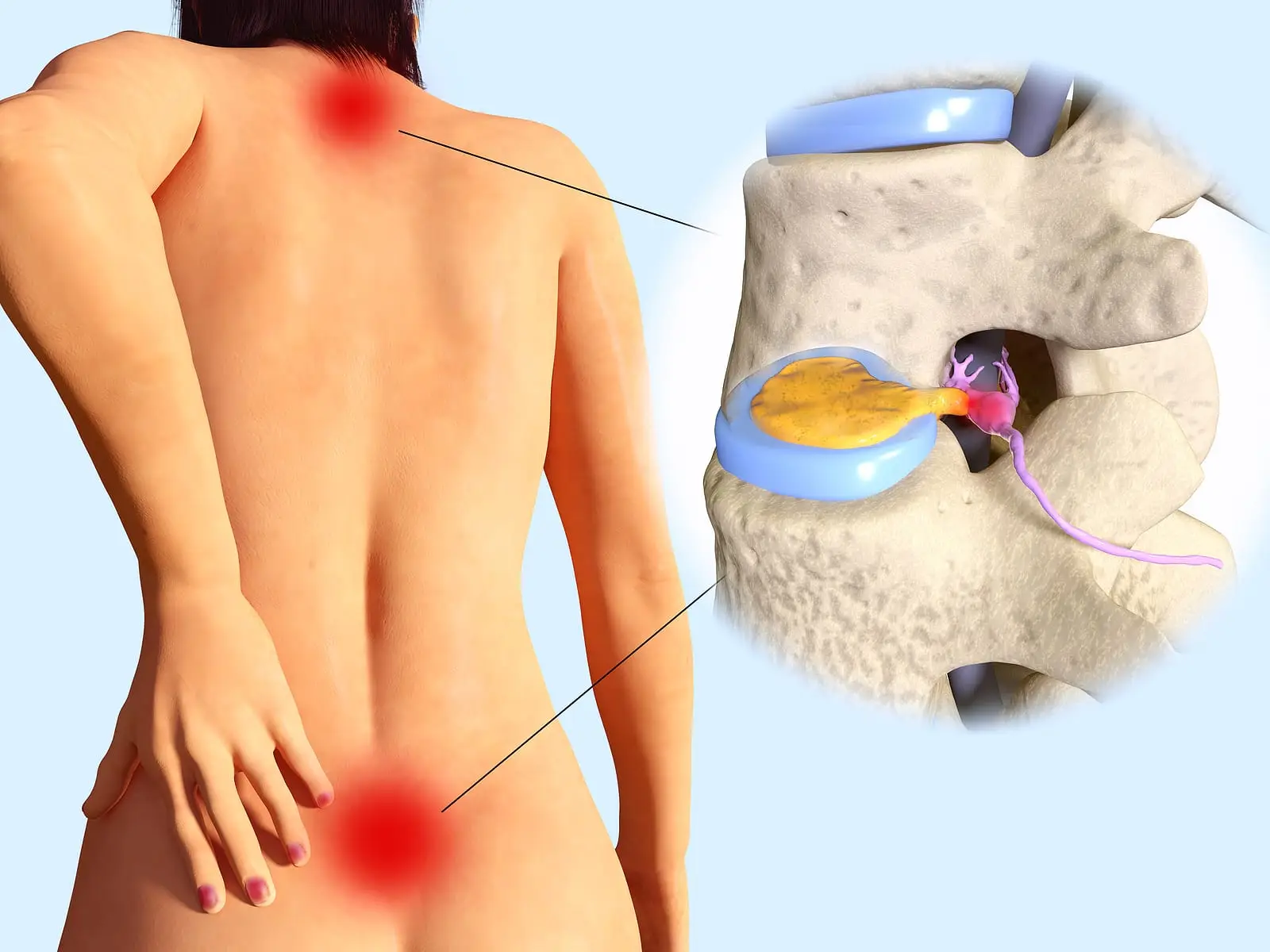
The term "slipped disc" is commonly used, but a disc cannot literally slip out of place. In a disc herniation, the inner gel-like material, called the nucleus pulposus, pushes through layers of the outer disc wall, known as the annulus. For that reason, a herniated disc is not something that can simply be "put back in".
Myth 2: Herniated discs are mainly caused by incorrect lifting
While lifting improperly may contribute in some cases, disc herniation is usually not caused by a single lift alone. The process often begins with changes occurring within the disc itself. Genetics appears to play a major role, alongside environmental and lifestyle factors. People between the ages of 30 and 50 are most commonly affected. Factors associated with inflammation, such as obesity and poor blood sugar control, may also contribute.
The Impact of Smoking on Disc Health
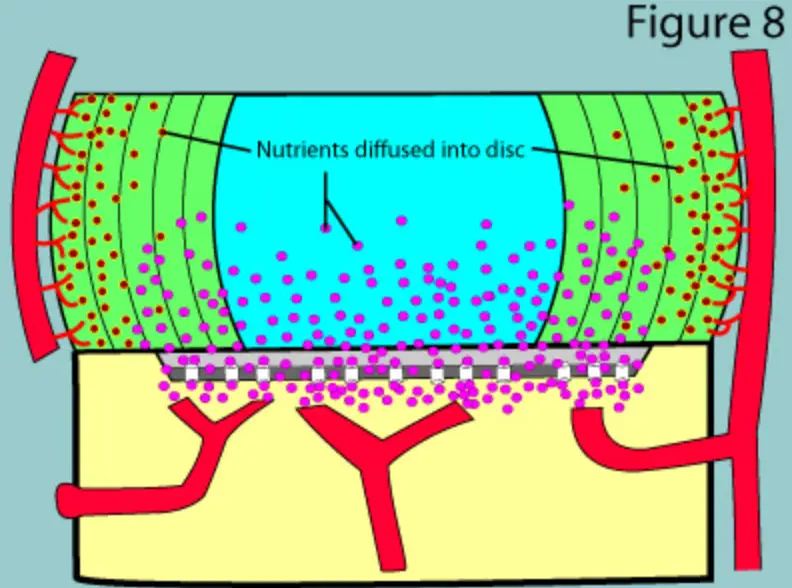
Discs rely on nearby blood supply for nutrients. Smoking can impair this process by reducing oxygen delivery and interfering with the removal of waste products.
Why Disc Nutrition Matters
Movement plays an important role in disc health. Gentle walking each day can help promote normal disc movement and support nutrient exchange.
Factors Predisposing One to a Herniated Disc
- Age: People between 30 and 50 are at higher risk.
- Occupation: Repetitive lifting, bending or twisting may increase risk.
- Weight: Excess body weight increases strain on the lower back.
- Genetics: Some people are more predisposed than others.
- Lifestyle: Sedentary habits and poor movement patterns may contribute.
- Trauma: Accidents can aggravate an already vulnerable disc.
- Driving: Long periods of driving, especially with vibration, may increase irritation.
Lifestyle Factors and Conservative Care
Addressing factors that contribute to inflammation may be helpful, particularly where high blood sugar, obesity and inactivity are present. Understanding these influences can help patients make practical lifestyle changes and move away from outdated ideas about disc problems. Preventive steps such as staying active, maintaining a healthy weight and avoiding prolonged inactivity may all be beneficial.
Back Extension Exercise
Herniated Discs: A Glimmer of Hope
Many herniated discs improve over time. Interestingly, larger herniations may sometimes have a greater tendency to shrink naturally. Gentle activity such as walking can help support recovery. In some cases, specific exercises may also be useful, although these should be guided by an appropriate assessment. Avoiding prolonged sitting or long periods of driving may help reduce ongoing irritation. Some patients respond well to gentle chiropractic care, but accurate diagnosis and ongoing monitoring remain important. While some people may still require treatments such as steroid injections or surgery, many improve with conservative care.
In Summary
While genetics may predispose some people to disc herniation, practical measures such as regular movement, healthy weight management and avoiding prolonged inactivity may help reduce risk. If you do have a herniated disc, it is reassuring to know that many cases improve with conservative care and do not require surgery.
If you're experiencing back pain or symptoms of a herniated disc, an assessment can help guide the right approach. If you'd like your condition assessed, you can call (03) 9704 6567 or book online.